Author name: Aagam Cancer Centre

Cancer Treatment

Targeted Therapy Guide: From Diagnosis to Recovery Explained

Targeted Therapy Guide: From Diagnosis to Recovery Explained Home / Targeted Therapy Guide: From Diagnosis to Recovery Explained Getting a cancer diagnosis can feel like everything has suddenly changed, and it often brings fear along with many questions—about the type of cancer, the treatment options available, and what the future may look like. Cancer treatment has improved step by step over the years, and one important development is targeted therapy. This treatment works by directly focusing on cancer cells while mostly protecting healthy tissue, making it more precise and often easier for patients to go through. For families looking into better care options, visiting the best targeted therapy centre in Ahmedabad at an early stage can help in getting clearer guidance and choosing the right treatment for each individual case. Why Early Detection Truly Matters Early diagnosis plays a very important role in the success of cancer treatment, especially targeted therapy. When cancer is found at an early stage, treatment usually works better. At this stage, the tumour is often smaller, has not spread much, and the body is generally in a stronger condition to respond well to treatment. For example, many early-stage cancers show much better survival rates compared to advanced stages. Once cancer spreads to other parts of the body, treatment becomes more complicated and results may vary. This is why awareness and timely testing can truly make a life-changing difference. Common signs people should not ignore: Unexplained weight loss: Losing weight suddenly without trying can be an early warning sign and should be checked by a doctor. Constant tiredness: If you feel very tired or low on energy even after proper rest for a few weeks, it is better to consult a doctor. Lumps or unusual swelling: Any new lump or swelling in areas like the breast, neck, or underarms should be examined early. Long-lasting cough or voice changes: If cough or voice changes continue for more than a few weeks, it should be looked into further. Unusual bleeding: Blood in urine, stool, or any other unusual bleeding should never be ignored. These signs do not always mean cancer, but they are important signals to seek medical advice without delay. From Diagnosis to Starting Targeted Therapy The journey of targeted therapy begins with accurate diagnosis and careful planning. Each step helps doctors decide the best possible approach for treatment. Step 1: Biopsy and detailed testing A sample from the tumor is examined to understand the exact type of cancer and its behavior at a molecular level. Step 2: Biomarker testing Special tests identify specific markers in cancer cells. These markers help doctors choose the most effective targeted drugs. Step 3: Personalized treatment plan Based on reports, a customized plan is created. This ensures the treatment is designed specifically for the patient’s condition. Step 4: Beginning therapy Targeted therapy may be given as tablets or through injections. Many patients can continue their daily routine during treatment because side effects are usually manageable. What Patients May Feel During Treatment Every patient’s journey with targeted therapy is different, but a few things are commonly seen. Regular monitoring through blood tests, scans, and follow-ups helps doctors track progress and make timely changes if needed.Side effects, if they occur, are usually mild and manageable. Some people may notice skin dryness or rashes, tiredness, or slight changes in appetite or mild nausea, especially during longer treatment cycles. In some cases, cancer cells may slowly become less responsive to the same medicine. This doesn’t mean the treatment has failed—it usually means the plan may need adjustment with different medicines or combinations. Emotional health also matters during treatment. Feeling stressed or low is normal, and proper support can make the journey easier.At every step, patients are guided with close monitoring and personalized care so they feel comfortable, well-informed, and confident throughout their treatment journey. This supportive and practical approach at Aagam Cancer Centre helps patients and families navigate treatment with clarity, reassurance, and steady care. Recovery and Life After Treatment Healing doesn’t end when treatment is over—it is a gradual journey that continues with regular care and healthy lifestyle choices. After completing targeted therapy, most patients are placed on a structured follow-up plan, where routine check-ups, scans, blood tests, and specialist visits are done every few months (usually every 3–6 months). These follow-ups are important to make sure everything is going well and to detect any early signs of recurrence as soon as possible. Along with medical monitoring, daily habits also play a big role in recovery. A balanced and nutritious diet, light physical activity like regular walking, and stress management through yoga or meditation can strongly support the body’s healing process. Today, many cancer specialists focus not only on treatment but also on overall wellness and long-term recovery, helping patients regain strength, confidence, and a better quality of life after treatment. Final Thoughts Targeted therapy has made cancer treatment more accurate and easier for patients to manage. However, early detection still plays the most important role. When cancer is found early and the right doctor is chosen on time, the chances of better results increase significantly. Paying attention to symptoms and not delaying check-ups can truly make a difference. If you are planning your treatment, choosing the best cancer centre in Ahmedabad and taking guidance from a trusted medical oncologist like Dr. Ashish Kaushal can help you understand the right path with confidence. Taking action at the right time can make your recovery journey smoother and help you move towards a healthier life. Get Started on Your Treatment Journey If you or a loved one is preparing to start cancer treatment, trust Aagam Cancer Centre for world-class care and support. Schedule a consultation with Dr. Ashish Kaushal, the best cancer doctor in Ahmedabad, and take the first step toward healing and recovery today.
Cancer Treatment

Importance of Early Detection in Improving Cancer Treatment Outcomes

Importance of Early Detection in Improving Cancer Treatment Outcomes Home / Importance of Early Detection in Improving Cancer Treatment Outcomes Cancer is a serious health condition where timing plays a very important role. Detecting cancer at an early stage can greatly improve the chances of successful treatment and recovery. Many people today today choose reliable care at the best cancer centre in Ahmedabad, where advanced screening methods and timely diagnosis help in planning effective treatment.Early detection means identifying cancer in its initial stage, before it spreads to other parts of the body. When cancer is found early, treatment is usually more effective, less complex, and often more affordable. In many situations, early diagnosis also helps patients recover faster and return to their daily routine with better confidence and peace of mind. Why Early Detection of Cancer Matters Early detection is not just about finding a disease early; it is about giving patients a better chance at life and recovery. When cancer is diagnosed early, doctors get more treatment options and better control over the disease. Higher chance of successful treatment: When cancer is detected early, it is usually limited to one area. This makes treatment more effective and improves recovery chances. Less aggressive treatment required: Early-stage cancer often does not need heavy chemotherapy or long hospital stays. Treatment becomes simpler and more comfortable for the patient. Lower treatment cost and stress: Early diagnosis reduces financial burden as complex procedures and long-term hospital care may be avoided. Improved recovery: Patients diagnosed early usually recover faster and can return to normal life sooner. How Early Detection Is Possible Early detection is possible through regular check-ups, screenings, and awareness of body changes. Modern medical facilities like Aagam Cancer Centre use advanced diagnostic tools to identify cancer even before symptoms become severe. Routine health screenings: Regular tests like blood work, imaging scans, and physical exams help identify any unusual changes in the body at an early stage. Screening for high-risk individuals: People with family history or long-term risk factors are advised to get regular screenings. Advanced diagnostic imaging: Technologies like CT scans, MRI, and PET scans help detect even small tumors that cannot be seen or felt. Early Signs That Should Not Be Ignored Many people ignore small body changes, thinking they are minor issues. However, these signs can sometimes indicate early-stage cancer. Unexplained weight loss: Sudden weight loss without diet or exercise changes can be a warning sign and should not be ignored. Constant tiredness: Feeling tired all the time, even after proper rest, may indicate underlying health issues. Unusual lumps or swelling: Any new lump in the body, especially in breast, neck, or abdomen, should be checked by a doctor immediately. Long-lasting pain or discomfort: Pain that does not go away over time may require medical evaluation to rule out serious conditions. Benefits of Early Cancer Detection in Treatment Outcomes Detecting cancer early brings several important benefits for patients and their families. Improved survival rates: Early-stage cancer has significantly higher survival chances compared to late-stage diagnosis. More treatment options available: Doctors can choose from surgery, radiation, targeted therapy, or immunotherapy based on the stage. Faster recovery time: Patients usually recover quicker and can return to their normal lifestyle sooner. Reduced impact on body: Patients can continue most of their normal activities during recovery. Role of Regular Screening and Awareness Regular screening is one of the most important steps in preventing cancer and detecting it at an early stage. It is especially important for people above 40 years of age or those with a family history of cancer.Routine health check-ups help track changes in the body over time and can identify problems before they become serious, making treatment easier and more effective.Awareness about risk factors also plays a key role in early detection. Habits like smoking, unhealthy eating, lack of physical activity, and high stress levels can increase cancer risk, so maintaining a healthy lifestyle is very important. It is also important not to ignore even small symptoms. Any unusual change in the body should be checked by a doctor without delay, as early consultation often leads to better diagnosis and faster treatment. Final Thoughts Early detection is one of the strongest tools in the fight against cancer. It improves treatment success and reduces emotional, physical, and financial stress for patients and families. If you are looking for trusted care, visiting the best cancer centre in Ahmedabad and consulting an experienced specialist like Dr. Ashish Kaushal can make a real difference. Early screening and timely treatment help achieve better results. Do not wait for symptoms to become serious. Book a consultation today and take a proactive step towards better health and peace of mind. Get Started on Your Treatment Journey If you or a loved one is preparing to start cancer treatment, trust Aagam Cancer Centre for world-class care and support. Schedule a consultation with Dr. Ashish Kaushal, the best cancer doctor in Ahmedabad, and take the first step toward healing and recovery today.
Cancer Treatment

How Advanced Medical Technology is Transforming Cancer Care Today

How Advanced Medical Technology is Transforming Cancer Care Today Home / How Advanced Medical Technology is Transforming Cancer Care Today Cancer care has changed significantly over the last few years. Earlier, it felt very complex and stressful, but now it is more simple, safe, and patient-friendly. With modern medical improvements, doctors can find cancer at an early stage, treat it more accurately, and help improve recovery in a better way. Healthcare centres like the best cancer centre in Ahmedabad now provide well-planned treatment based on each patient’s condition. This personal approach helps improve results and also makes the treatment journey more comfortable and easier for patients and their families. Today, cancer treatment is no longer limited to just one method. Instead, it combines moderntechnology, expert doctors’ planning, and patient-focused care to achieve better results. Advanced Technology for More Accurate Diagnosis One of the major improvements in cancer care is finding cancer early and more accurately. Better scanning and testing methods now help doctors detect cancer at an early stage, which makes treatment easier and improves recovery chances. High-precision imaging: It helps doctors see tumours more clearly and detect cancer at an early stage. This makes it easier to plan the right treatment quickly and improves the chances of better recovery. Molecular and genetic testing: It studies changes inside cancer cells in detail. This helps doctors understand the exact type of cancer and choose the most suitable treatment for each patient. Early detection increases treatment success and reduces complications, making it a major step forward in modern cancer care. Chemotherapy – Common Cancer Treatment Chemotherapy is a widely used cancer treatment that helps stop or slow down the growth of cancer cells. It uses medicines that travel through the body to target cancer cells, especially when the disease has spread. This treatment is given in cycles, meaning medicine is given for a few days or weeks, followed by a rest period so the body can recover. It can be given through injections or tablets, depending on the patient’s condition. Some side effects like tiredness, nausea, or hair loss may occur, but doctors help manage them with proper care. Today, chemotherapy is often used along with other treatments to improve overall results. Targeted Therapy: Treating Cancer Precisely Targeted therapy in today’s practice starts with detailed tests like biopsy, imaging, and genetic testing to understand the exact type of cancer and its behaviour. Based on these reports, doctors identify specific changes in cancer cells and then plan treatment using medicines that act only on those targets. These medicines may be given as tablets or through injections, depending on the patient’s condition. During the treatment, doctors closely monitor progress with regular scans and blood tests, and the plan is adjusted if needed. Since this approach focuses only on cancer cells, it usually causes less harm to healthy cells, leading to fewer side effects and a more comfortable daily life for patients compared to traditional treatments. Immunotherapy: Boosting the Body’s Defense Today, immunotherapy is given in a planned and step-by-step way after proper tests and evaluation of the patient’s condition. Doctors first check the type and stage of cancer and may do blood tests or genetic markers to see if immunotherapy will work well. If suitable, the treatment is started through IV infusions or injections in regular cycles, usually in a hospital or daycare setting. During the treatment, doctors closely monitor the patient with routine scans and blood tests to see how the body is responding. Based on the response, the treatment plan is continued or adjusted. This process helps the immune system slowly learn to identify and fight cancer cells more effectively, even in some advanced cases, especially when combined with other treatments. Advanced Support Technologies for Comfort Modern cancer care is not just about treatment but also about patient comfort and emotional well-being. Scalp cooling technology: Helps reduce hair loss during chemotherapy This supports patients emotionally and helps them feel more confident during treatment, especially during long chemotherapy cycles. In-house lab and pharmacy: Faster testing and easy access to medicines. This reduces waiting time, avoids unnecessary delays, and ensures that patients get timely reports and required medicines without stress. Such supportive technologies, combined with expert care from doctors like Dr. Ashish Kaushal, play animportant role in improving the overall patient experience and making cancer treatment moremanageable both physically and emotionally. Faster Recovery with Advanced Treatment Approaches Advanced medical technology has significantly improved recovery times and reduced complications. Minimally invasive techniques: Less pain and quicker healing Patients can return to normal life faster compared to traditional methods. Better Monitoring for Safer Recovery:Recovery is not just about treatment—it also depends on continuous monitoring. Regular scans, blood tests, and follow-up check-ups help doctors keep a close watch on progress. You can learn more about advanced treatment options and how modern care at a trusted cancer centre helps patients recover faster with less discomfort and better support during the whole treatment journey. Why Technology Matters in Cancer Care Earlier and more accurate diagnosis Less harmful and more focused treatments Better survival rates and recovery outcomes Improved quality of life during and after treatment More personalised and patient-specific care These improvements are making cancer treatment more hopeful and manageable than ever before. At Aagam Cancer Centre, patients are given modern, personalised care based on their condition, so treatment feels more focused and comfortable. With advanced technology and the support of experienced doctors, the whole journey becomes more effective and easier for both patients and their families. Final Thoughts Advanced medical technology has completely transformed the way cancer is diagnosed and treated today. From early detection to targeted therapy and immunotherapy, every step has become more precise and patient-friendly. These improvements are helping doctors achieve better outcomes while giving patients more hope and confidence throughout their journey. At Aagam Cancer Centre, the best cancer centre in Ahmedabad, the approach is to combine modern medical technology with compassionate care so that every patient receives timely and appropriate treatment based on

Cancer Treatment

Chemotherapy Explained: What Patients Should Know Before Starting Treatment

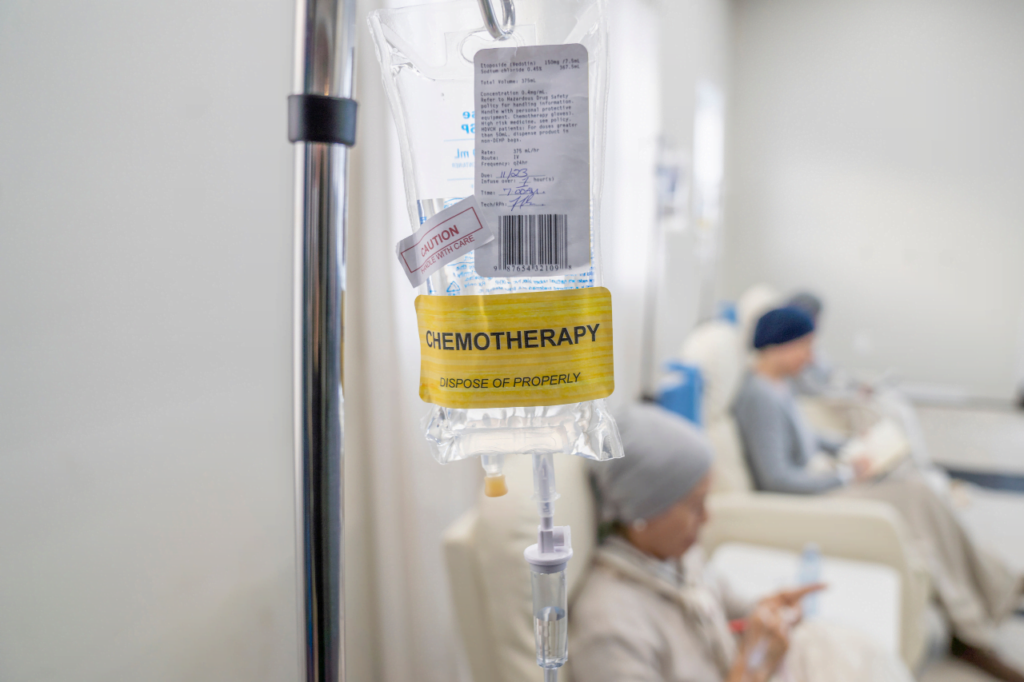
Chemotherapy Explained: What Patients Should Know Before Starting Treatment Home / Chemotherapy Explained: What Patients Should Know Before Starting Treatment Starting cancer treatment can feel difficult, especially when you hear about chemotherapy for the first time. If you or someone close to you has been recommended this treatment, having a clear understanding of it can ease anxiety and help you feel more confident and prepared. Choosing a trusted centre like Aagam Cancer Centre for chemotherapy treatment can help patients begin their journey with greater confidence and support. Chemotherapy is one of the most common and effective treatments used to fight cancer. It works by using powerful medicines to destroy cancer cells and stop their growth. Since cancer cells grow faster than normal cells, chemotherapy specifically targets these rapidly dividing cells, although it may also affect some healthy cells in the process. What is Chemotherapy? Chemotherapy is a medical treatment that uses drugs to kill cancer cells or control their spread. It is not limited to one method — it can be given in different ways depending on the patient’s condition. IV (Injection or Drip): The most common method where medicines are given through veins in a hospital. Oral Medicines: Some chemotherapy drugs are available as tablets that can be taken at home. Injection or Targeted Delivery: In certain cases, drugs are given directly to a specific area of the body.  Each treatment plan is different because every patient and every cancer type is unique. That’s why personalized care is very important in chemotherapy treatment. Why is Chemotherapy Recommended? Cancer treatments, including chemotherapy, immunotherapy, and surgery, may have side effects. While these effects vary by patient and treatment type, it’s essential to be aware of what to expect. What You Need to Know: Side effects can range from mild (fatigue, nausea) to more severe (hair loss, infections). Discuss possible side effects with your oncologist and develop a plan to manage them. How We Help: At Aagam Cancer Centre, we prioritize minimizing side effects and provide supportive care to manage symptoms effectively. We also offer services like Paxman scalp cooling to prevent chemotherapy-induced hair loss. The Role of Nutrition and Lifestyle Changes Doctors may suggest chemotherapy for different reasons depending on the stage and type of cancer. To Cure Cancer: In some cases, chemotherapy can completely destroy cancer cells. Before Surgery (Neoadjuvant Therapy): Helps shrink tumors so surgery becomes easier. After Surgery (Adjuvant Therapy): Kills any remaining cancer cells to prevent recurrence. To Control Symptoms (Palliative Care): Helps reduce pain and improve quality of life in advanced stages. Doctors may suggest chemotherapy for different reasons depending on the stage and type of cancer. What to Expect Before Starting Treatment Before starting chemotherapy, your doctor will do a detailed evaluation to understand your health condition. This may include blood tests, scans, and an overall fitness assessment. Treatment Planning: A personalized plan is created based on cancer type, stage, and patient health. Cycle-Based Treatment:  Chemotherapy is usually given in cycles with rest periods in between to allow the body to recover. Counselling & Guidance: Patients are guided about diet, lifestyle, and what to expect during treatment. Treatment plans are carefully customized according to each patient’s health condition to ensure better outcomes and comfort during chemotherapy. Common Side Effects One of the biggest concerns patients have is side effects. While chemotherapy is effective, it can affect normal cells too, leading to some temporary side effects. Hair Loss: It happens because hair follicles are also fast-growing cells. Nausea and Vomiting: Usually controlled with medications. Fatigue: Feeling tired is common but manageable with proper rest. Low Immunity: Patients may become more prone to infections. The good part is that modern cancer centres now provide supportive care to reduce these side effects. For example, technologies like scalp cooling can help reduce hair loss and improve patient confidence during treatment. How Modern Chemotherapy is Improving Patient Experience Today’s chemotherapy is not the same as it was years ago. With advancements in technologyand treatment methods, the experience has become more manageable and patient-friendly. Targeted Therapy Support: Focuses on cancer cells while reducing damage to healthy cells. Immunotherapy Options: Helps the body’s immune system fight cancer more effectively. Support Services: Includes nutrition advice, counselling, and emotional support. Comfort-Focused Treatment: Better infrastructure and patient care improve overall experience. Advanced treatment combined with caring and supportive care helps patients feel supportedthroughout their journey. This approach ensures better comfort, confidence, and continuousguidance during the entire treatment process. Conclusion Chemotherapy can feel difficult at first, but with proper guidance and a clear understanding, it becomes easier to manage and approach with confidence. Being aware of the process, possible side effects, and care required during treatment helps patients stay mentally and physically prepared. You can consider the best chemotherapy treatment in Ahmedabad at Aagam Cancer Centre, where patients receive expert care, modern treatment support, and continuous guidance throughout their recovery journey. Get Started on Your Treatment Journey If you or a loved one is preparing to start cancer treatment, trust Aagam Cancer Centre for world-class care and support. Schedule a consultation with Dr. Ashish Kaushal, the best cancer doctor in Ahmedabad, and take the first step toward healing and recovery today.

Cancer

What to Know Before Starting Cancer Treatment

What to Know Before Starting Cancer Treatment Home / What to Know Before Starting Cancer Treatment Starting cancer treatment can be overwhelming, both physically and emotionally. Understanding what to expect and being prepared can help ease the process, making it more manageable for both patients and their families. At Aagam Cancer Centre, we are committed to guiding you through every step of your treatment journey with care and clarity. Led by Dr. Ashish Kaushal, one of the best cancer doctors in Ahmedabad, we focus on providing personalized care and support, ensuring you feel confident and informed. Understand Your Diagnosis and Treatment Plan Before beginning any treatment, it’s crucial to have a clear understanding of your diagnosis, cancer type, and the available treatment options. What You Need to Know: Ask your doctor about your cancer’s stage, grade, and type, as well as the potential treatment options and their goals. Are they curative, palliative, or supportive? Knowing this helps you make informed decisions about your care. How We Help: At Aagam Cancer Centre, we ensure that all patients understand their condition and treatment plan in detail before starting any procedure. Dr. Ashish Kaushal and the medical team provide comprehensive consultations, addressing all concerns and questions. Potential Side Effects of Treatment Cancer treatments, including chemotherapy, immunotherapy, and surgery, may have side effects. While these effects vary by patient and treatment type, it’s essential to be aware of what to expect. What You Need to Know: Side effects can range from mild (fatigue, nausea) to more severe (hair loss, infections). Discuss possible side effects with your oncologist and develop a plan to manage them. How We Help: At Aagam Cancer Centre, we prioritize minimizing side effects and provide supportive care to manage symptoms effectively. We also offer services like Paxman scalp cooling to prevent chemotherapy-induced hair loss. The Role of Nutrition and Lifestyle Changes Nutrition plays a vital role during cancer treatment, helping to maintain strength and boost the immune system. Additionally, lifestyle changes like regular exercise and stress management can aid in your recovery. What You Need to Know: A balanced diet and staying physically active can help you manage treatment side effects, such as fatigue. Your oncologist may refer you to a specialized oncology nutritionist to ensure you’re getting the right nutrition. How We Help: Aagam Cancer Centre offers onco-nutrition services, with experts guiding you on proper nutrition during treatment. We also provide psychosocial support to help you manage stress and mental health challenges. Mental and Emotional Wellbeing The emotional toll of a cancer diagnosis and treatment can be significant. It’s normal to feel anxious, sad, or overwhelmed. What You Need to Know: Emotional support is crucial for coping with the challenges of cancer treatment. Talking to family, friends, or a therapist can help reduce feelings of isolation and provide comfort. How We Help: Aagam Cancer Centre offers psychosocial counseling and psycho-oncology services to support patients through the emotional aspects of their cancer journey. We ensure our patients feel heard and supported every step of the way. Financial Considerations and Insurance Cancer treatment can be expensive, and understanding the financial aspects ahead of time can alleviate some of the stress. What You Need to Know: Inquire about the costs of treatment, including consultations, medications, tests, and therapies. Discuss insurance coverage and financing options with your healthcare provider to ensure you are prepared for expenses. How We Help: At Aagam Cancer Centre, we offer guidance on navigating insurance claims and help you understand the costs involved in your treatment. We strive to make cancer care as affordable and accessible as possible. Preparing for Treatment Physically Preparing your body for treatment can help minimize the strain and improve outcomes. What You Need to Know: Before starting treatment, you may need to undergo a few tests or procedures to assess your overall health and treatment readiness. This may include blood tests, imaging, or even a pre-treatment consultation with an anesthesiologist for surgical procedures. How We Help: At Aagam Cancer Centre, we conduct a thorough evaluation of your health before starting treatment. Our team ensures you are physically prepared for the challenges of treatment, ensuring better tolerance and recovery. Support System: The Importance of Family and Friends A strong support system is invaluable when starting cancer treatment. Having loved ones by your side can make a significant difference in your emotional and physical well-being. What You Need to Know: Let your family and friends be a part of your journey. Their emotional support, as well as practical help (transportation, meal preparation, etc.), can ease the stress of treatment. How We Help: At Aagam Cancer Centre, we encourage family involvement in the treatment process. We provide resources for caregivers and families to ensure they are also supported throughout the journey. The Importance of Follow-Up Care Cancer treatment doesn’t end once the initial therapy is completed. Ongoing follow-up care is essential to monitor your recovery, detect potential recurrence, and manage any long-term effects of treatment. What You Need to Know: After treatment, regular check-ups, screenings, and tests are necessary to ensure the best possible outcome. Your oncologist will guide you on the frequency of follow-ups and what to expect. How We Help: At Aagam Cancer Centre, we provide continuous follow-up care and surveillance to monitor your progress. Our team ensures you remain well-informed and supported in the months and years following your treatment. Conclusion Starting cancer treatment is a significant milestone, and preparation is key to making the process smoother. At Aagam Cancer Centre, we offer expert guidance, personalized care, and a compassionate team to ensure you are fully supported throughout your treatment journey. Led by Dr. Ashish Kaushal, one of the best cancer doctors in Ahmedabad, we are dedicated to providing the highest level of care and improving your quality of life during this challenging time. Get Started on Your Treatment Journey If you or a loved one is preparing to start cancer treatment, trust Aagam Cancer Centre for world-class care and support. Schedule a consultation

Cancer

How Cancer Happens

How Cancer Happens Home / How Cancer Happens Understanding the Basics Let’s understand what we are dealing with.  Cancer is a complex and often misunderstood disease that affects millions of people worldwide. Understanding how cancer develops can help you better understand your health and the importance of early detection and prevention. At Aagam Cancer Centre, we aim to provide clear explanations on cancer causes and mechanisms, helping you navigate through the complexities of this disease. Led by Dr. Ashish Kaushal, one of the best cancer doctors in Ahmedabad, we offer comprehensive care, from prevention and diagnosis to treatment. What is Cancer? Cancer is the result of abnormal cell growth and division in the body. Cells usually grow, divide, and die in an orderly fashion, but in cancer, this process is disrupted, leading to the uncontrolled growth of cells that form masses or tumors. These cancerous cells can invade other tissues and spread to other parts of the body. The Role of DNA Damage in Cancer Cancer begins when the DNA inside a cell becomes damaged. DNA is the instruction manual that tells a cell how to grow, divide, and function. What Happens: When this DNA gets damaged, it can lead to mutations. These mutations may cause the cell to grow and divide uncontrollably. Why It Happens: DNA damage can result from various factors, including environmental exposures like smoking, UV radiation from the sun, and certain chemicals. Additionally, aging and inherited genetic mutations can also increase the risk of developing cancer. How We Help: At Aagam Cancer Centre, we provide genetic counseling and genetic testing to better understand how inherited genetic mutations might affect your risk of cancer. This helps us personalize your care and offer preventive strategies. Common Causes of Cancer While the exact cause of cancer in many cases is unknown, several factors are known to increase the risk of developing cancer. Lifestyle Factors: Smoking, poor diet, lack of exercise, and alcohol consumption can increase the risk of certain cancers. Environmental Exposures: Chemicals, radiation, and pollutants can damage DNA, increasing the likelihood of cancer. Genetic Predisposition: Some people inherit mutations in specific genes that predispose them to certain cancers, such as breast or colon cancer. Infections: Certain viral infections, like the human papillomavirus (HPV) or hepatitis B and C, are linked to the development of cancers like cervical or liver cancer. How We Help: At Aagam Cancer Centre, we focus on comprehensive cancer risk assessments, including lifestyle modifications, genetic screenings, and preventive vaccinations (e.g., HPV vaccine) to help reduce cancer risk. The Stages of Cancer Development Cancer develops in several stages, starting from a single abnormal cell to a fully developed tumor that can spread to other parts of the body. Initiation: A cell’s DNA becomes damaged or mutated, causing it to behave abnormally. Promotion: The mutated cell begins to divide and grow uncontrollably. Progression: The abnormal cells continue to multiply and may spread to surrounding tissues or other parts of the body (metastasize). Metastasis: Cancer cells travel through the bloodstream or lymphatic system to form new tumors in other organs.‍ How We Help: Early detection through screening and advanced diagnostic tests is critical to stopping cancer in its early stages. At Aagam Cancer Centre, we emphasize the importance of regular screenings, especially for high-risk individuals, to catch cancer at its earliest and most treatable stages. Types of Cancer There are more than 100 different types of cancer, each affecting a specific part of the body. Some common types of cancer include: Breast Cancer: Originates in the breast tissue, often in the milk ducts or lobules. Lung Cancer: Often linked to smoking, lung cancer affects the tissues of the lungs. Prostate Cancer: Affects the prostate gland in men. Colorectal Cancer: Affects the colon or rectum and is often associated with diet and lifestyle. Skin Cancer: Includes melanoma and non-melanoma types, often caused by UV radiation exposure. How We Help: At Aagam Cancer Centre, we specialize in the diagnosis and treatment of various types of cancer, offering personalized care plans for each individual based on the type and stage of cancer. Genetic Factors and Cancer Certain genetic mutations can significantly increase the risk of cancer. These mutations may be inherited from your parents or occur during your lifetime. Inherited Mutations: Some people inherit faulty genes that predispose them to cancers such as breast, ovarian, or colorectal cancer. Acquired Mutations: These mutations occur during a person’s lifetime due to environmental factors or lifestyle choices. How We Help: Aagam Cancer Centre offers genetic counseling and testing to identify genetic risks. Early screening and preventive measures are essential for those with a family history of cancer. Preventing Cancer While not all cancers can be prevented, several lifestyle changes can reduce the risk. Stop Smoking: Smoking is linked to many cancers, including lung, throat, and mouth cancer. Maintain a Healthy Diet and Exercise: Eating a balanced diet rich in fruits, vegetables, and whole grains while staying physically active can reduce cancer risk. Avoid Excessive Sun Exposure: Protect your skin from harmful UV radiation by wearing sunscreen and avoiding tanning beds. Get Regular Screenings: Regular screenings for breast, cervical, colorectal, and prostate cancers can help detect cancer early, when it’s most treatable. How We Help: At Aagam Cancer Centre, we offer preventive screenings, health counseling, and lifestyle management programs to help reduce cancer risk. Conclusion Cancer happens when normal cell processes are disrupted, often due to genetic mutations or external factors like lifestyle or environmental exposures. Understanding how cancer develops helps in its prevention, early detection, and effective treatment. At Aagam Cancer Centre, we are dedicated to providing expert care for cancer patients, offering personalized treatment plans and preventive strategies to reduce cancer risk. Led by Dr. Ashish Kaushal, one of the best cancer doctors in Ahmedabad, our center is committed to offering state-of-the-art care and support every step of the way. Take Control of Your Health If you are concerned about your cancer risk or need guidance on prevention and early detection, schedule

Scroll to Top